
READ THE BLOG

The Best Breakfast Brain Foods for Mental Clarity and Health
Brain fog can feel debilitating, especially when you first wake up in the morning. However, simply by incorporating certain foods into your breakfast can make a world of difference! Find out what those foods are, and their low-fodmap alternatives!

How to Eat Filling Foods and Stop Mindless Snacking
The satiating diet is a realistic approach to safe and sustainable weight loss that promotes wholesome foods that are healthy and satiating. Find out which foods are best for this lifestyle and if it is right for you.

How to Choose Sustainable Snacks that Support an Eco-Friendly Diet
Sustainable eating is about choosing foods that are both healthy for your body and for the environment. Find out which snack foods are sustainable while being highly nutritious.

No Yogurt? No Problem: The Best Non-Dairy Probiotic Foods for Better Digestion
Probiotics provide a variety of health benefits, including the good and bad bacterial species found in the gut. The most popular food that contains probiotics is yogurt. Though some might not like yogurt and others might just be tired of it. Find out what other foods there are besides yogurt that contain just as much probiotics.

How To Eat Your Way To Amazing Skin
The healthier you are on the inside, the better you will look on the outside. With these 5 foods, you can eat your way to better skin in no time.

Tips For Successfully Keeping A Food Journal
Keeping a food journal is a great way to keep track of any eating or drinking habits. Some might struggle with keeping a food journal but it can be quite simple. Find out what the top tips for keeping a food journal are and how they can help you.

How A Food Journal Can Make Listening To Your Body Easier
Listening to what your body needs may be a difficult task for some. But did you know food journaling can make it easier? Find out how it does and what food journaling can do for you!

Foods That Help Fight Brain Fog
Experiencing brain fog? Find out which foods to add to your diet, and how they can be incorporated into different meals! And what other lifestyle choices could help fight brain fog!

Staying Healthy During The Holiday Season
Staying healthy during the holiday season can be tough. Try these tips and tricks to help keep yourself physically and mentally healthy during the holiday season.

How to Eat in Moderation: 7 Strategies for a Balanced Life
Eating in moderation might seem difficult if you don not know where to start. And it may be difficult at first but with practice and time you can do it. Find out how to eat in moderation and how it can benefit you in the long run.

Mindfulness Tip: How To Enjoy Sweets Mindfully
It may seem impossible to eat sweets in a mindful manner, but it is possible! And easier than it may seem! Find out how you can eat your favorite sweets mindfully without the guilt and mindless eating that sometimes comes along with eating sweets!

Food Guilt Meaning: Psychology & How to Stop Feeling Guilty After Eating
Food guilt can make you feel like the vicious cycle it’s created can never be stopped. However it is possible to overcome food guilt. Find out how you can overcome it, and how to stop the cycle for good!

What Is The Food Combining Diet?
The food combining diet has been around for over 100 years, and can seriously help with digestive issues. However with every diet, there are always pros and cons. Find out if the food combining diet is right for you!

Why It Is Essential To Be Eating Fiber With Every Meal
Fiber should be an essential part of your diet and lifestyle. However some may only be eating fiber rich foods once a day. Find out why you should be eating fiber with every meal, and how to do so!
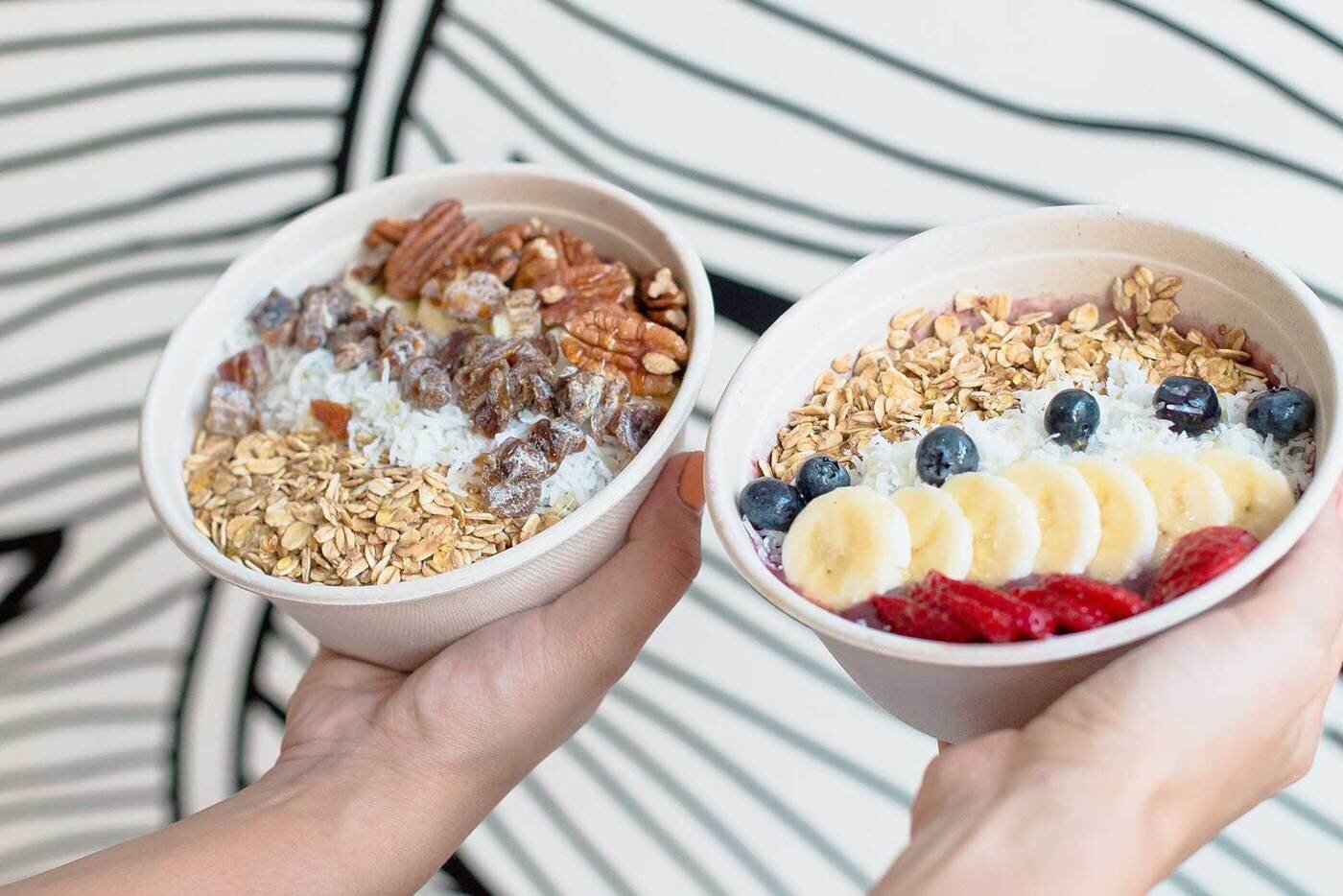
Easy Ways To Add Fiber Into Your Diet
Fiber is essential to your diet and should be incorporated into every meal you eat! But what if you don’t know how to do this? Find out the easy ways to start adding more fiber into your diet!

Stopping Ozempic Without Weight Gain
The Biological Exit Strategy for Permanent Maintenance
You’ve done the work. You’ve taken the shots, navigated the side effects, and for the first time in years, you look the part. You move through the world in a body that feels lighter, and the "food noise" that once dictated your days has finally gone quiet.

Dating With Body Image Issues: How to Feel Safe and Confident on Every Date
The outside world responds to what we project. If you’re hiding behind a "mask" of curated perfection, you are actually blocking the very connection you crave. You cannot be deeply known while wearing armor. Healing your body image isn't just about wellness—it’s about becoming emotionally available so the right partner can finally see you. Take the mask off; he’s been looking.

Why Do Successful Women Overeat? High-Functioning Emotional Eating
Successful women overeat because the same nervous system skill that built their careers — overriding hunger, fatigue, and emotion to produce results — causes biological dysregulation that food is uniquely designed to discharge.

How to Stop Eating Past Full: A Clinical Dietitian's Guide
You stop eating past full by regulating your nervous system, not by relying on willpower or awareness. Stopping at fullness is a somatic, behavioral and emotional skill — not a mental or logical one.
